Skip to content
Services

One team, from schematic to shipped unit

Circuit design, firmware, enclosures and production are handled by the same engineers. Hardware projects usually lose time in the handoff between those disciplines, and with us there isn't one.

Capabilities

From concept to certified product

Electronics design
01

Electronics design

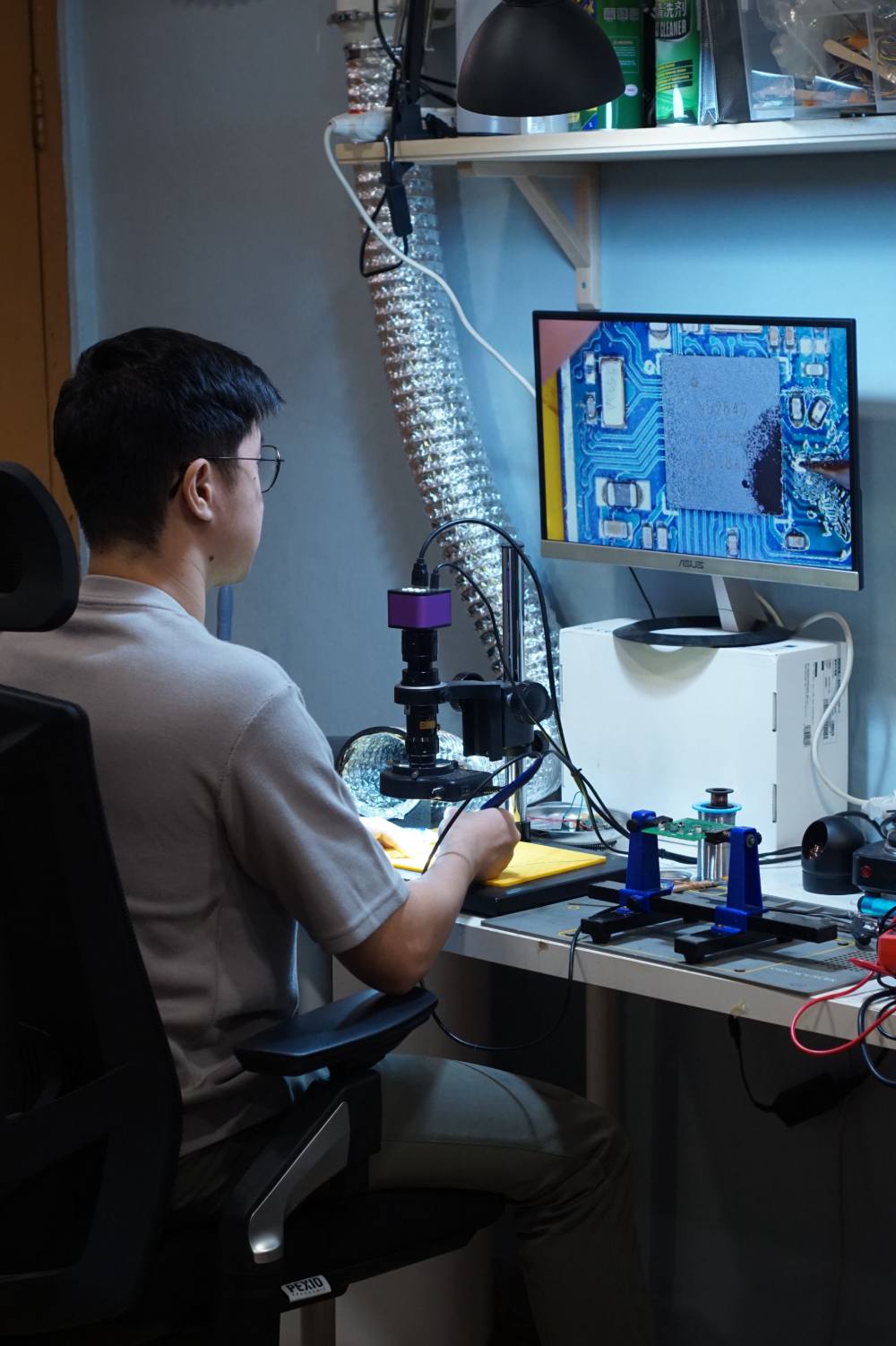
Schematic capture and PCB layout in KiCad, from power supply design to analog front ends for precision sensing. When a product connects to industrial equipment, we isolate it properly. Our industrial data logger runs its RS-485 interface on its own galvanically isolated power rail.

Embedded firmware
02

Embedded firmware

Firmware on whichever microcontroller suits the product. Recent work runs on STM32 and Nordic nRF chips, with FreeRTOS when the device has several jobs running at once. We write the parts that decide whether a device can be trusted in the field: watchdogs, timestamped logging when power drops, firmware updates without a programmer, and the calibration math that turns a raw sensor reading into a number you can rely on. The connectivity we've shipped so far is Bluetooth Low Energy and isolated Modbus RTU over RS-485.
Mechanical and enclosure
03

Mechanical and enclosure

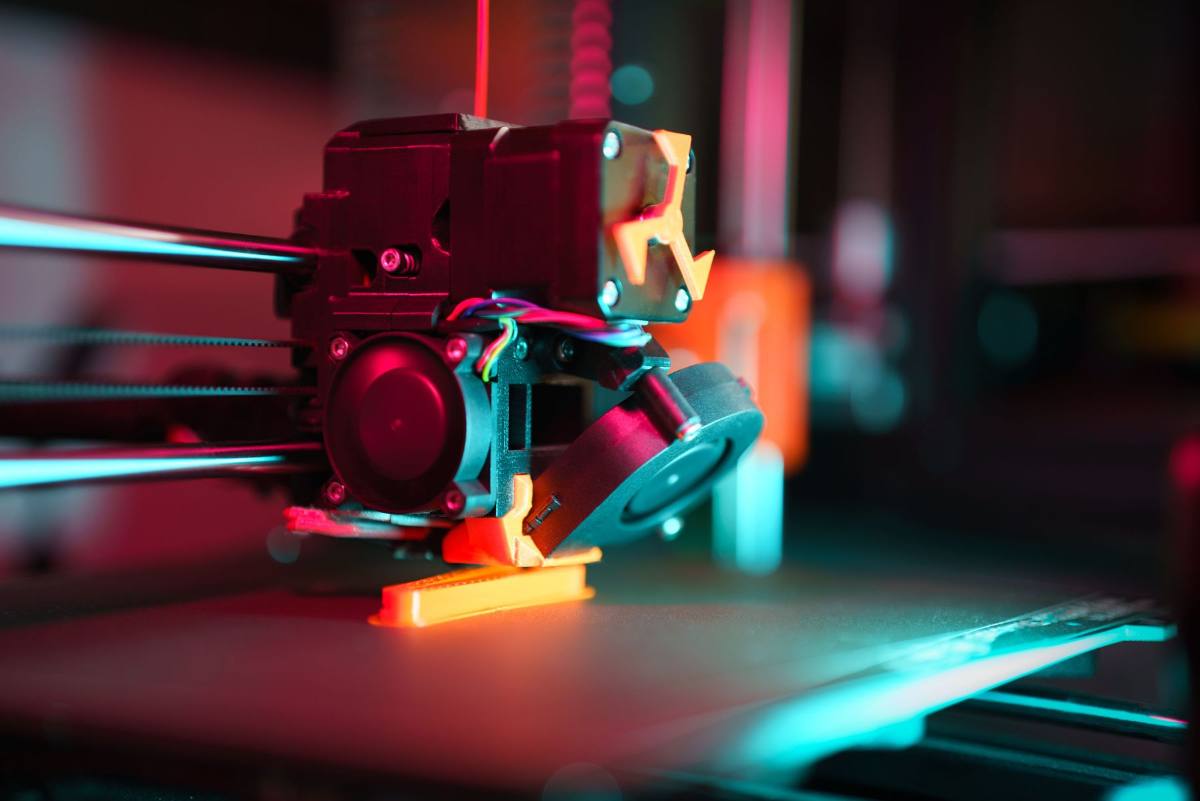
Enclosures designed in Fusion 360 alongside the board, so the two fit the first time. Our vaccine logger's SLS nylon housing is sealed with O-rings to IP67, verified by submerging a finished unit in a meter of water.
Production and certification
04

Production and certification

We manage the contract manufacturer, provision every unit ourselves, and take products through CE and RoHS certification.

Tools and platforms

Built on industry standards

Platforms
Espressif
Infineon
Microchip
Nordic Semiconductor
Nsing
NXP
Quectel
Raspberry Pi
STMicroelectronics
Texas Instruments
Design and simulation
Fusion 360
KiCad
LTspice
SolidWorks
Firmware and toolchain
FreeRTOS
Git
Keil
Segger SystemView
STM32CubeIDE
Certification
CE mark
RoHS
UKCA
Our process

One stage at a time

Nobody signs up for the whole project on day one. Every stage ends with a decision that belongs to you.

Scoping
3 to 5 days
Whether your product can be built, and what it will take
Requirements
2 to 3 weeks
A signed specification of what the product must do and how it will be tested
Solution Discovery
2 to 3 weeks
Architecture, component choices, and early work on anything unproven
EVT
6 to 10 weeks
First hardware. Circuits proven, subsystems brought up
DVT
8 to 12 weeks
Production-intent design, enclosure, complete firmware, certification testing
PVT
4 to 6 weeks
Production test system, provisioning, calibration, first articles
Mass production
4 to 8 weeks per run
Finished, tested units delivered
Your decision to continue

Once requirements are signed, development is quoted as one fixed price. You're not billed by the hour, and you're not billed for our overruns. On runs above 1,000 units, our engineers are on the production line.

Development Plan

How a project is structured, priced and owned

The full picture before your first call: the three engagement models, indicative pricing for typical projects, when the design becomes yours, warranty terms, and what you receive at each stage.

Development
Plan
PDF
FAQ

Common questions

Yes. We sign a mutual NDA before any technical discussion. We can use our standard NDA or review yours.

No. Every stage ends with a decision that belongs to you, and you can stop or pause after any of them.

Scoping is quoted on its own. Once requirements are signed, development is quoted as one fixed price. You're not billed by the hour, and you're not billed for our overruns.

It depends on complexity. Going by our stage estimates, a typical project takes around 6 to 9 months from scoping to the first production run.

You do. The Development Plan sets out exactly when the design becomes yours.

Yes. We review what exists during Scoping and pick up at the stage that fits, often EVT or DVT.

Whichever suits the product. Recent work runs on STM32 and Nordic nRF chips, and the Tools and platforms section lists the rest.

Yes. We take products through CE and RoHS certification, and carry out certification testing during DVT.

We manage the contract manufacturer and provision every unit ourselves. On runs above 1,000 units, our engineers are on the production line.

The three engagement models, indicative pricing for typical projects, when the design becomes yours, warranty terms, and what you receive at each stage.